
Range Rover Electric breaks cover at Goodwood — first impressions
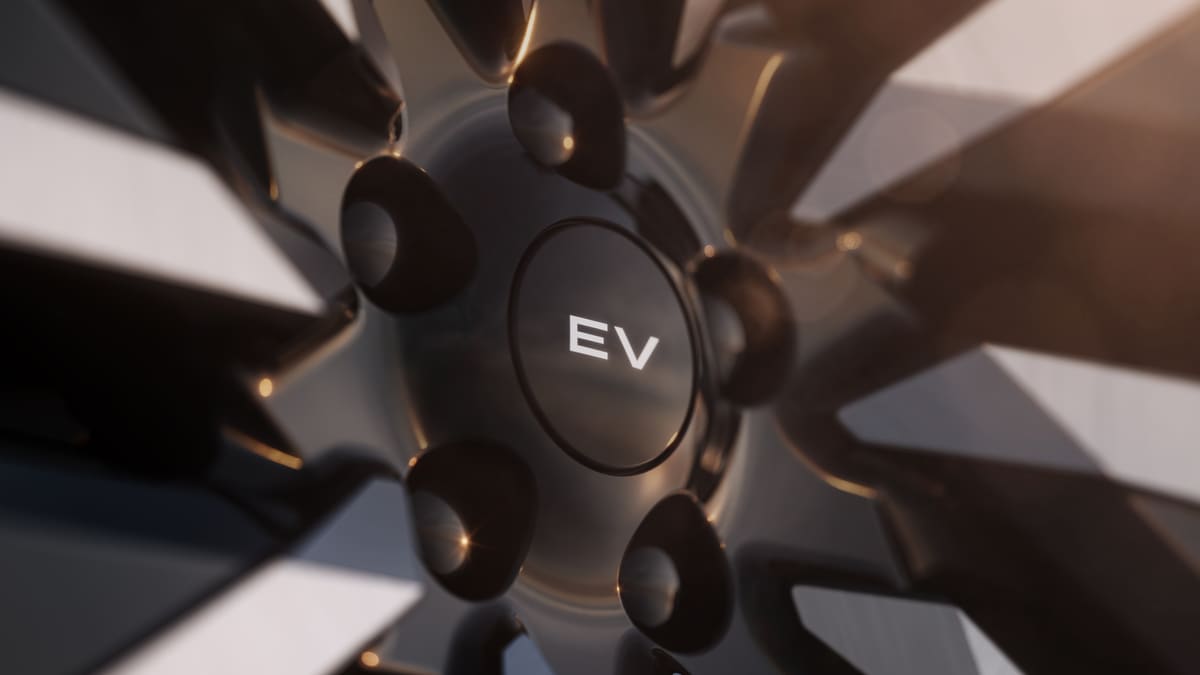
The first fully electric Range Rover has finally arrived in public, taking the formula that made the flagship a global success and swapping combustion for a battery — without, its maker insists, losing any of the character.
Land Rover chose the 2026 Goodwood Festival of Speed to give the Range Rover Electric its public debut, ahead of a full global launch expected later in the year. It is a measured way to introduce what is, by any reading, one of the most significant cars the brand has ever built. More than 16,000 customers have already placed their names on a waiting list, which tells you the demand is there before a single review has landed.
What we know so far
Underneath sits an 800V electrical architecture developed in-house, paired with a 118kWh battery and a thermal management system the company calls ThermAssist. The dual-motor drivetrain produces around 549PS and 850Nm of torque, enough for a 0-62mph time of roughly 4.5 seconds. That is brisk for a car weighing close to 2.8 tonnes, and broadly in line with the V8 versions it will sit alongside rather than immediately replace.
Land Rover’s pitch is continuity: effortless performance, the refinement the nameplate is known for, and — crucially for a Range Rover — genuine off-road ability. On paper, at least, the electric model is being positioned as a Range Rover first and an EV second, which is the right instinct.
The questions still open
Full UK pricing and confirmed range figures were not the headline at Goodwood, and buyers will want both before committing. On price, expect it to sit at the top of the range rather than undercut it — this is a flagship, and it will carry a flagship’s list price. It is worth remembering that anything nudging the luxury-car tax threshold attracts an expensive-car supplement on top of standard VED, so the running-cost picture is not quite as simple as cheap home charging suggests.
The used-buyer’s view
Most readers will meet this car second-hand, several years from now, and that is where a clear head matters most. Range Rovers are wonderful things, but the model line has a long-standing reputation for costly faults when maintenance is skipped — our overview of common Land Rover problems is essential reading before you shortlist one. Add a first-generation EV drivetrain to that mix and the case for thorough due diligence only grows.
The advice is straightforward but non-negotiable. Insist on a complete, main-dealer service history, run a full vehicle history check to rule out write-offs and clocking, and confirm there is no outstanding finance against the car. On an electric example, a battery State of Health report belongs on that list too. For a car at this price, a professional pre-purchase inspection is money well spent.
The verdict
On the evidence of its Goodwood debut, the Range Rover Electric looks every inch a proper Range Rover: composed, quick and unmistakably premium. Whether it is worth the money will come down to real-world range and how it holds up over time — the two things a launch cannot answer. If you are buying new, wait for confirmed UK figures. If you are buying used, budget for scrupulous checks and a healthy service record. It is a fascinating debut, and one that sits alongside a wider shift towards electric performance cars that would have seemed unthinkable a decade ago.
Frequently asked questions
When was the Range Rover Electric revealed?
It made its public debut at the 2026 Goodwood Festival of Speed in July, ahead of a full global launch expected later in the year.
How powerful is the electric Range Rover?
The dual-motor setup produces around 549PS and 850Nm of torque, enough for a 0-62mph time of roughly 4.5 seconds despite the car weighing close to 2.8 tonnes.