
Selling Your Car: Every Route Compared
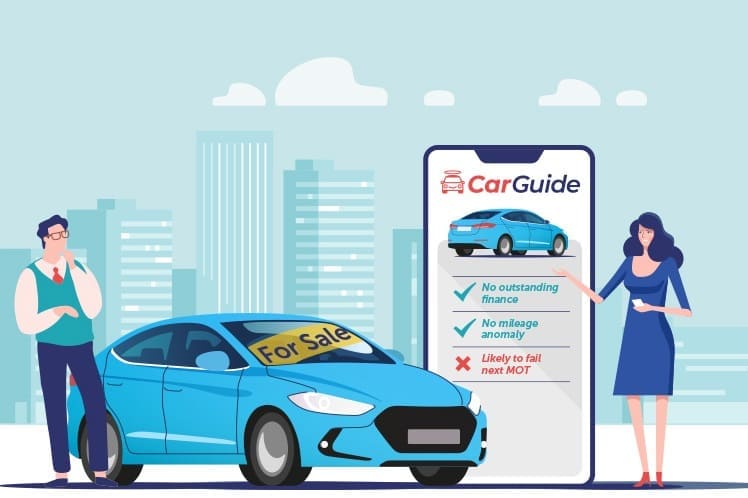
There are four ways to sell a car in the UK: privately, to an online car buyer, to a dealer, or as a part-exchange against your next car. Having valued thousands of part-exchanges across a career in the trade, I’ll tell you what the industry knows and sellers often don’t: each route trades money for convenience at a different rate, and picking the right one for your situation matters more than haggling skill.
As a rule of thumb: a private sale usually gets the highest price and takes the most effort; online car buyers are the fastest with the least hassle; part-exchange is the most convenient but the offer is tangled up in the price of the next car; and selling directly to a dealer sits somewhere in between. The guides below take you through each route in detail.
Choose your route
| Route | Typical price | Speed & effort | Best for |
|---|---|---|---|
| Private sale | Highest | Slowest — adverts, viewings, haggling | Maximising the sale price |
| Online car buyer | Competitive | Fastest — offer, inspection, done | Quick, certain sales |
| Dealer purchase | Middling | Fast | Convenience without a new-car purchase |
| Part-exchange | Lowest headline, but negotiable | Easiest | Changing car in one transaction |
The guides

When should you change your car?
Depreciation, running costs, MOT bills and life changes — the factors that decide when selling actually makes sense.
How to sell your car fast
Online sale, private sale or dealer — the pros, cons and realistic timescales of each, plus how to prepare the car so it sells first time.

The best online car buying websites
Our review of the major online car buyers — how their offers, fees and collection arrangements compare.
How to sell your car for the best price
Presentation, paperwork, timing and pricing — the details that add real money to any sale.
Is part-exchange the best way to sell your car?
Part-exchange means no adverts and no buyers on your driveway — but the convenience has a price. How PX offers really work, and how to negotiate them.
Before you sell: the paperwork
Whatever route you choose, the same admin applies. You’ll need the V5C logbook (and to tell the DVLA you’ve sold straight away), the service records, and the MOT certificate if the car is over three years old. If there’s still money owing on the car, read our guide to selling a car with outstanding finance first — you must settle the finance before, or as part of, the sale.
Selling a van rather than a car? The rules and buyers differ — see how to sell a van quickly. And if you want the quick wins first, start with 6 ways to get more money for your car.