
Car Care: MOT, Servicing and Staying Roadworthy

A car’s paperwork tells a story, and I’ve spent a career reading them. The vehicles that sail through MOTs and hold their value are almost never the lucky ones — they’re the ones whose owners kept on top of the basics: test dates, service schedules, insurance records. The ones that end up as somebody’s expensive mistake usually have the gaps to prove it.
These guides cover the records and routines that keep your car legal, safe and worth more when you sell. None of it is complicated; all of it shows up later in the car’s MOT history — which every future buyer can read.
The essentials
When is my MOT due?
How to check your MOT due date in seconds, what happens if it lapses, and the rules on driving without a valid test.
What will fail an MOT?
What gets tested, the difference between minor, major and dangerous faults, and the most common reasons cars fail.
When is my car service due?
Service intervals explained — time versus mileage, interim versus full — and why a stamped-up book adds real money at resale.
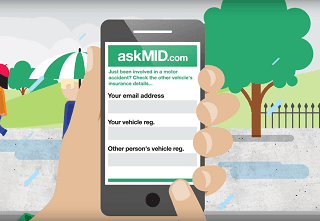
AskMID: check your car is insured
What the Motor Insurance Database is, how to check your own cover in seconds, and when to use it.
Worth knowing too
- Will my car run on E10 fuel? — how to check compatibility, and what happens if you fill up with the wrong petrol
- Is my car ULEZ compliant? — the emissions rules, and how to check any car before you drive into a clean-air zone
- MOT check — the quick way to look up any car’s current MOT status
Why this pays you back
Every MOT, service and repair becomes part of your car’s permanent record — the same record a buyer (or their history check) will scrutinise when you sell. A full service history consistently adds money at valuation time, and a clean MOT trail is the simplest proof that a car has been looked after. Care for the car and its paperwork, and the paperwork pays you back.